TiviMate vs IPTV Smarters Pro: which IPTV player should you actually use?
They solve the same problem in completely different ways. One is built for a remote control and a big screen; the other…
Read the guideFree IPTV is not a scam and paid IPTV is not automatically better. They are two different products solving two different problems, and the gap between them shows up in exactly four places. Here is where each one genuinely wins, what the free option really costs you, and the twenty-minute test that tells you whether a paid service deserves your card.
Search for IPTV and you land in two separate worlds. One is full of forum posts sharing free M3U playlists that “work great, refreshed daily”. The other is full of services charging roughly the price of two coffees a month for tens of thousands of channels. Both worlds insist the other is a waste of time.
They are both partly right. The useful question is not which is better in the abstract — it is which one matches how you actually watch television.
More than people expect. Technically they are the same thing: a list of stream addresses, opened in a player, delivered over your ordinary internet connection. Free and paid lines both arrive as an M3U link or an Xtream Codes login, both play in TiviMate or IPTV Smarters, and both install on the same devices in the same way.
So nobody is selling you a superior technology. What a paid service sells is the work that keeps that list alive — and that is the only variable worth comparing.
| Free IPTV | Paid IPTV | |
|---|---|---|
| Cost | Nothing | Roughly $5–12 a month |
| Channels that work today | A fraction of the list | Nearly all of them |
| Lifespan of a working channel | Days to weeks | Months, replaced when it dies |
| Picture quality | SD to 720p, variable | FHD and 4K on main channels |
| Programme guide (EPG) | Usually missing or wrong | Complete, with catch-up |
| Films and series on demand | Rare | Large catalogue |
| Behaviour during big matches | Collapses | Depends entirely on the provider |
| Support when it breaks | None | A person, within minutes |
| Time you spend maintaining it | Hours a month | None |
| Best for | Casual, occasional, news and radio | Daily viewing, sport, a household |
Read the last two rows together, because they are the whole argument. Free IPTV is not free — it is paid for in your evenings, refreshing playlists and hunting for a working stream ten minutes after kick-off.
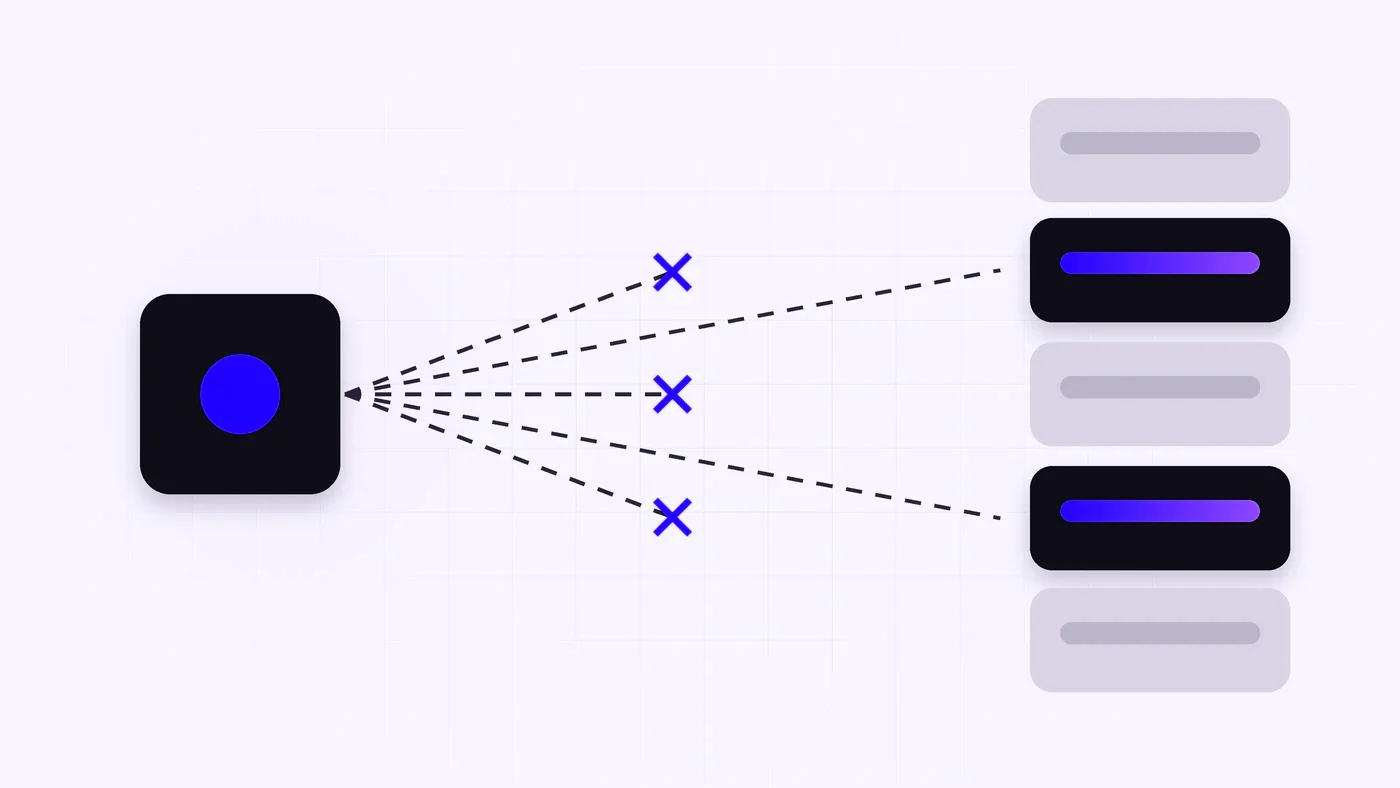
A free playlist is a snapshot. Someone collected addresses that were publicly reachable at a moment in time and published the file. Nothing about that file is maintained, because nobody is paid to maintain it.
Three things kill those addresses, all of them routine:
The pattern this creates is predictable and deeply annoying: free lists work best exactly when you least need them, and fail at the moment everyone is watching the same thing. That is not bad luck, it is arithmetic.
There is a lot of vague warning language around free IPTV, most of it unhelpful. Here is the specific version.
An M3U file cannot infect anything. It is a text file listing addresses. Opening one in a mainstream player is not a security event, and claims otherwise are usually written by someone selling something.
The danger is the surroundings. The sites distributing these lists live on aggressive advertising: fake download buttons, forced notification prompts, and “you must install our player” pages. Those custom players are the actual risk — an unknown APK asking for broad permissions on a device that sits inside your home network is a genuinely bad idea, and a “premium unlocked” build of a paid app is not free either. You are paying with whatever else is bundled in it.
Rule of thumb: the playlist can come from anywhere; the player must come from the Play Store, your television’s own store, or the developer’s own site. We set out the safe sideloading path in the Firestick guide and the store routes in the smart TV guide.
Whether a particular channel may lawfully be redistributed depends on the rights held for that channel in your country, and that is true of free lists and paid services alike. Price is not evidence either way. If that matters to you, check what a service claims to carry and where — and treat anyone who refuses to discuss it as an answer in itself.
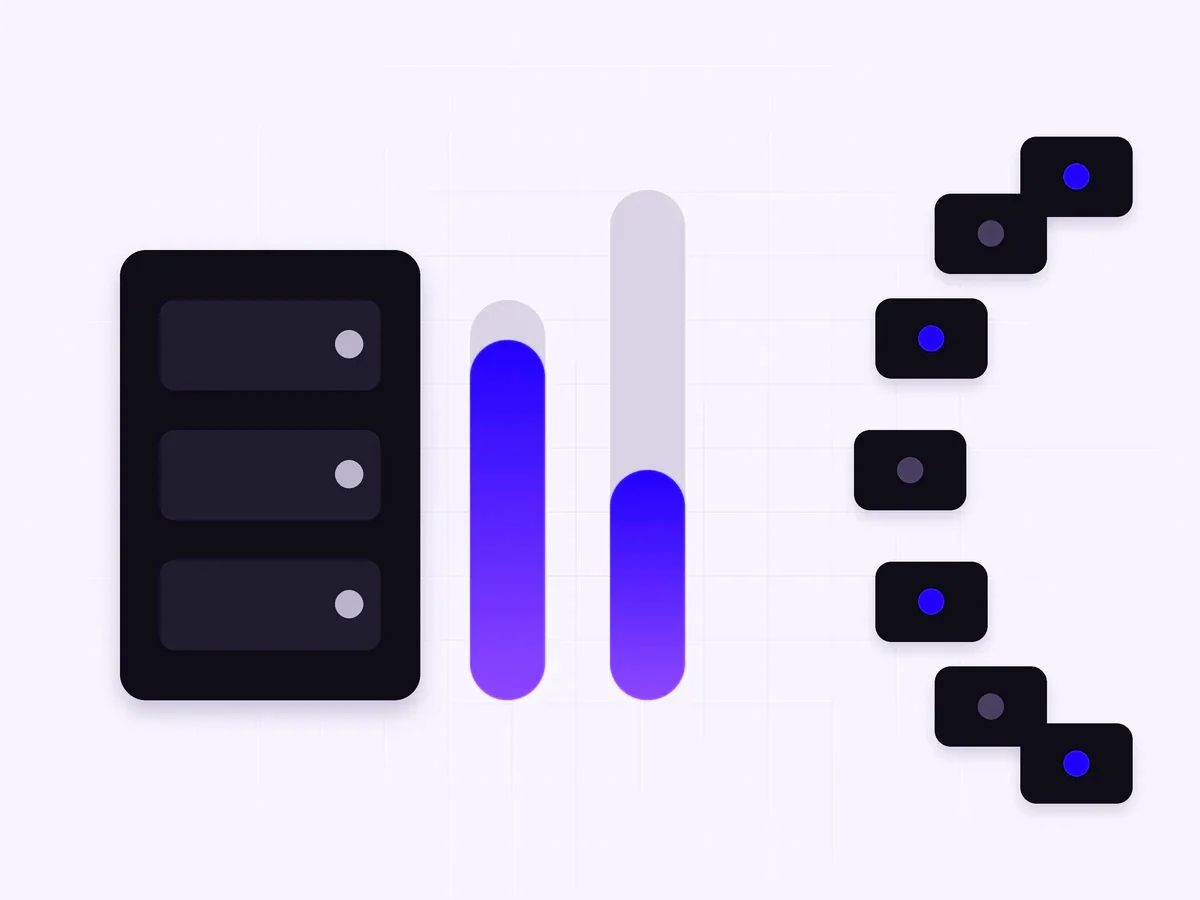
Ask what separates a good paid service from a bad one and the honest answer is almost never the channel count. It is spare capacity at 8pm on a Saturday.
Streaming is not like hosting a website. Every viewer of a live channel needs their own continuous slice of bandwidth, and demand is violently uneven — a big match can put a large share of the entire subscriber base on one channel at one moment. Providers either keep expensive headroom for that, or they do not.
The ones who do not look exactly like the ones who do, until it matters. That is why a provider’s channel list tells you almost nothing and why a trial taken at the right moment tells you nearly everything. We go deeper into reading provider claims in what Reddit actually recommends, and into diagnosing stutter once you are subscribed in why your IPTV keeps buffering.
People reasonably ask how a service can charge a few dollars a month against a cable bill of sixty. The unglamorous reasons:
None of that is suspicious in itself. Low price is normal for this product category.
There is a floor, though, and below it something has been sacrificed. A yearly plan priced far under the market usually means one of these:
Our own view, for what it is worth, is that a sensible first purchase is one month, or a quarter at most. Anyone confident in their service will be perfectly happy with that — ours are listed plainly on the pricing page, including what each plan does and does not include.
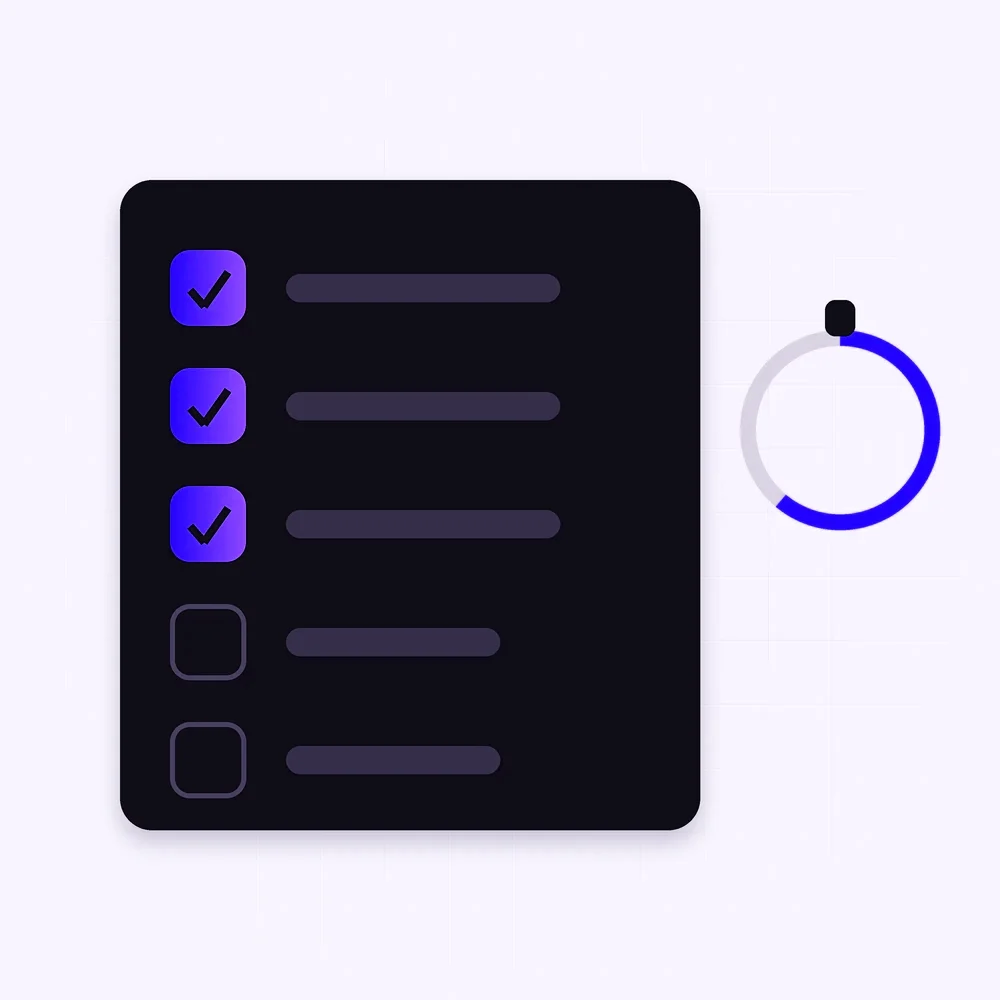
Whether you are judging a free list or a paid trial, the method is the same. Do it during peak hours — ideally while a major live event is on, because that is the only moment that reveals capacity.
Run that on a free playlist and on a trial from a paid provider on the same evening. The result is usually not close, and it is yours rather than a review site’s.
Free IPTV makes sense if you watch occasionally, mostly news or radio, you do not care which specific channel you land on, you are comfortable maintaining your own playlist, and nothing you watch is time-critical.
Paid IPTV makes sense if you watch live television most days, you follow a sport with fixed kick-off times, other people in the household need it to simply work, you want a programme guide and catch-up, or you are living abroad and watching home channels where a dead link means missing the thing entirely.
And there is a third, sensible answer: keep a free list installed as a backup, and pay for the line you actually rely on. They cost nothing to have side by side in the same player.
Take the free trial during a live match, not on a quiet afternoon — that is the only test that means anything. Run the five checks above, and if anything falls short, tell us and we will say why rather than sell around it.
The playlist itself is a harmless text file. The risk is the ecosystem around it — advertising-heavy host sites and custom apps you are pushed to install. Use a mainstream player from an official store and that risk largely disappears.
Because nobody maintains them. Addresses rotate, sources block re-streaming, and popular links collapse under the traffic a forum post sends them. Every copy of the list breaks at the same moment.
If you watch live television regularly, yes — you are buying maintenance, peak-hour capacity, a working guide and someone who answers. If you watch rarely and flexibly, a free list may genuinely be enough.
No hardware, no installation, no local infrastructure and no regional monopoly. The cost base is servers, bandwidth and support, spread across a large subscriber base.
When a yearly price sits far below the market, something has been given up — usually server headroom, which you discover during the first big match. Start with a short plan and let the provider earn the longer one.
Yes. Most players hold several playlists at once, and keeping a free one as a fallback costs nothing.
Not for the setup. Some people run one because their ISP throttles video traffic, and in that case it helps. It will not repair a dead link or an oversold server.
In short: free IPTV is real, it works, and it is paid for with your time and your patience at exactly the wrong moments. Paid IPTV buys maintenance and capacity — but only from a provider who actually holds any, which is why the twenty-minute test during peak hours matters more than every channel count on every landing page, including ours.
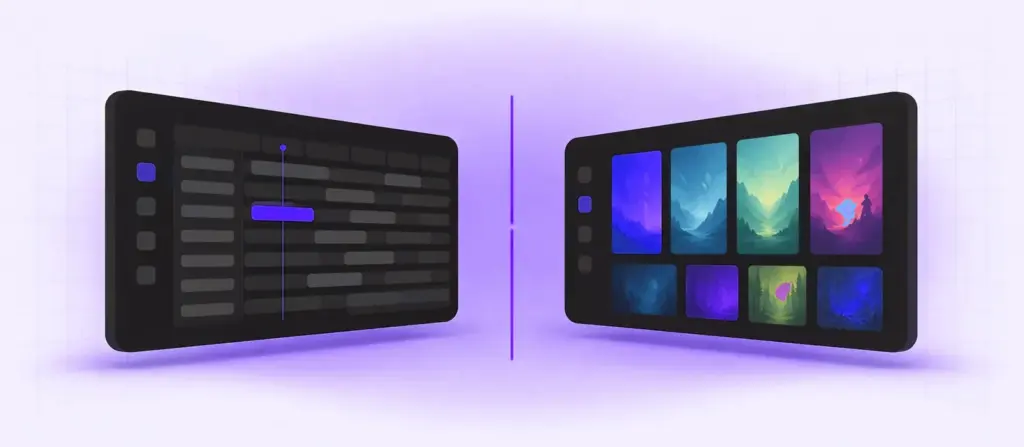
They solve the same problem in completely different ways. One is built for a remote control and a big screen; the other…
Read the guide
You move, and the television stops being yours. The news is in a language your parents do not speak, the football is…
Read the guide
Reddit is the first place most people look before paying for IPTV — and it is also where a good share of…
Read the guide